
Understanding Radon Testing for Safer Homes
- Joe Finken
- Oct 13, 2025
- 4 min read

Radon is a silent threat lurking in many homes, especially in areas like Colorado Springs. It’s an invisible, odorless gas that can pose serious health risks if left undetected. That’s why understanding radon gas inspection services is crucial for anyone involved in buying, selling, or maintaining a home. I want to share what I’ve learned about radon testing, how it works, and why it matters for your safety and peace of mind.
What Is Radon and Why Should You Care?
Radon is a naturally occurring radioactive gas produced by the breakdown of uranium in soil, rock, and water. It can seep into homes through cracks in foundations, gaps around pipes, and other openings. Because it’s colorless and odorless, you can’t detect it without proper testing.
The main concern with radon is its link to lung cancer. According to the Environmental Protection Agency (EPA), radon is the second leading cause of lung cancer in the United States, after smoking. Long-term exposure to elevated radon levels increases your risk significantly.
Homes in Colorado Springs are particularly vulnerable due to the region’s geology. The soil and rock formations here often contain uranium, making radon gas more common. This makes radon gas inspection services essential for anyone living in or moving to this area.

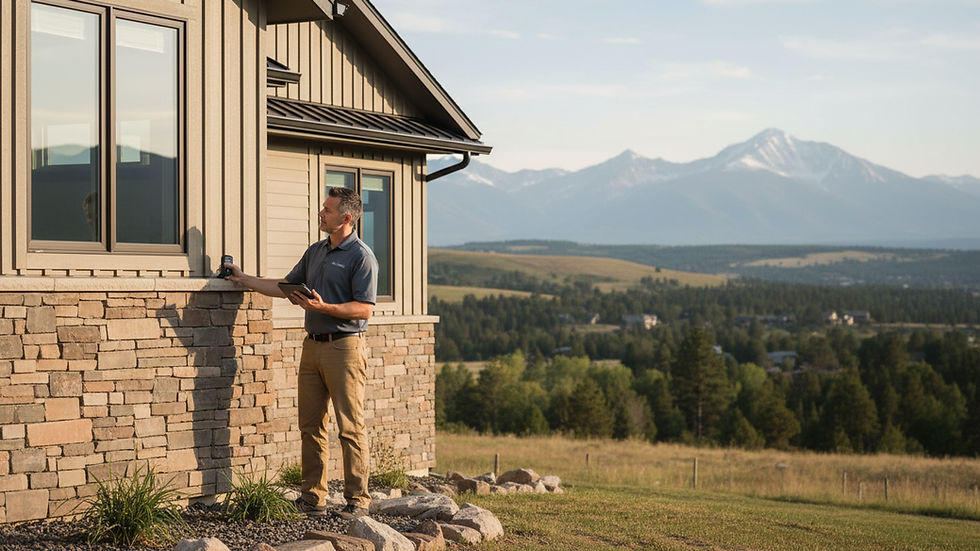
Radon testing devices are placed in homes to detect dangerous gas levels.
How Radon Gas Inspection Services Work
Radon gas inspection services involve measuring the concentration of radon in your home’s air. There are two main types of tests: short-term and long-term.
Short-term tests last from 2 to 7 days. They provide a quick snapshot of radon levels but can be influenced by weather and ventilation.
Long-term tests last more than 90 days, offering a more accurate average radon level over time.
Professional inspectors use specialized equipment to conduct these tests. They place detectors in the lowest livable area of your home, such as a basement or first floor. After the testing period, the devices are sent to a lab for analysis, or the inspector reads the results on-site.
If radon levels exceed the EPA’s action level of 4 picocuries per liter (pCi/L), mitigation steps are recommended. These may include installing ventilation systems to reduce radon concentration or sealing entry points to prevent gas infiltration.
Choosing a certified radon inspection service ensures accurate results and proper guidance. For example, if you’re in Colorado Springs, you can rely on radon testing colorado springs for thorough and trustworthy inspections.

Radon mitigation systems help reduce dangerous gas levels inside homes.
How Much Does a Radon Test Cost in Colorado?
Understanding the cost of radon testing helps you plan your home inspection budget. In Colorado, radon testing prices vary depending on the type of test and the service provider.
Short-term tests typically range from $100 to $200.
Long-term tests can cost between $150 and $300.
Professional radon gas inspection services may charge additional fees for detailed reports or follow-up visits.
Keep in mind that investing in radon testing is a small price to pay compared to the potential health risks and costs of mitigation if high radon levels go unnoticed.
Some companies offer bundled inspection packages that include radon testing along with other services like mold testing or thermal imaging. These packages can provide better value and a comprehensive overview of your home’s condition.
If you’re buying or selling a home, radon testing is often part of the inspection process. It’s wise to ask your inspector about costs upfront and whether they provide mitigation recommendations if needed.

Home inspection checklists often include radon testing as a critical safety step.
When Should You Test for Radon?
Timing your radon test correctly can improve accuracy and ensure safety. Here are some key moments to consider testing:
Before buying a home - Testing during the home inspection phase helps you understand any radon risks before finalizing the purchase.
After moving in - If the previous owner didn’t test, it’s wise to check radon levels soon after moving.
Seasonal changes - Radon levels can fluctuate with weather and ventilation changes. Testing during colder months when homes are sealed can reveal higher concentrations.
After renovations - Changes to your home’s foundation or ventilation can affect radon entry points.
Regular intervals - Even if previous tests were low, retesting every 2-5 years is recommended to catch any new radon buildup.
Testing is simple and non-invasive, so there’s no reason to delay. Early detection can save lives by prompting timely mitigation.
What to Do If Your Home Has High Radon Levels
If your radon test reveals levels above 4 pCi/L, don’t panic. There are effective solutions to reduce radon and protect your family.
Hire a certified radon mitigation professional to assess your home and recommend the best system.
Common mitigation methods include:
- Sub-slab depressurization - A vent pipe and fan system that pulls radon from beneath the foundation and releases it outside.
- Sealing cracks and openings - Reducing radon entry points in floors and walls.
- Improving ventilation - Increasing air circulation to dilute radon concentration.
After mitigation, retest your home to confirm radon levels have dropped to safe limits.
Mitigation systems are generally affordable and can be installed quickly. Many homeowners find peace of mind knowing their indoor air is safe.
Empowering Your Home Decisions with Radon Knowledge
Radon gas inspection services are more than just a test - they are a vital step in protecting your health and investment. By understanding radon risks, testing options, costs, and mitigation strategies, you can make informed decisions about your home.
Whether you’re buying, selling, or maintaining a property in Colorado Springs, I encourage you to prioritize radon testing. It’s a straightforward process that offers significant benefits.
For reliable, science-backed inspections, consider partnering with trusted local experts who provide clear reports and actionable advice. This approach ensures you’re not just buying a house, but a safe and healthy home.
Taking control of radon risks today means a safer tomorrow for you and your loved ones.


Comments