
Why Every Colorado Springs Home Needs Radon Testing

Radon is a silent threat lurking in many homes across Colorado Springs. It’s an invisible, odorless gas that can cause serious health problems if left unchecked. I’ve learned that understanding radon and the importance of radon safety testing is crucial for anyone living in or buying a home in this area. In this post, I’ll explain why radon testing is essential, how it works, and what you can expect when you decide to have your home tested.
Understanding Radon and Its Risks
Radon is a naturally occurring radioactive gas that comes from the breakdown of uranium in soil, rock, and water. It can seep into homes through cracks in the foundation, gaps around pipes, or other openings. Because radon is colorless and odorless, you can’t detect it without proper testing.
The real danger of radon lies in its health effects. Long-term exposure to high radon levels increases the risk of lung cancer. In fact, radon is the second leading cause of lung cancer after smoking. The Environmental Protection Agency (EPA) estimates that radon causes about 21,000 lung cancer deaths each year in the United States.
Colorado Springs is known for its higher-than-average radon levels due to the geology of the region. This makes radon safety testing not just a precaution but a necessity for every homeowner here.

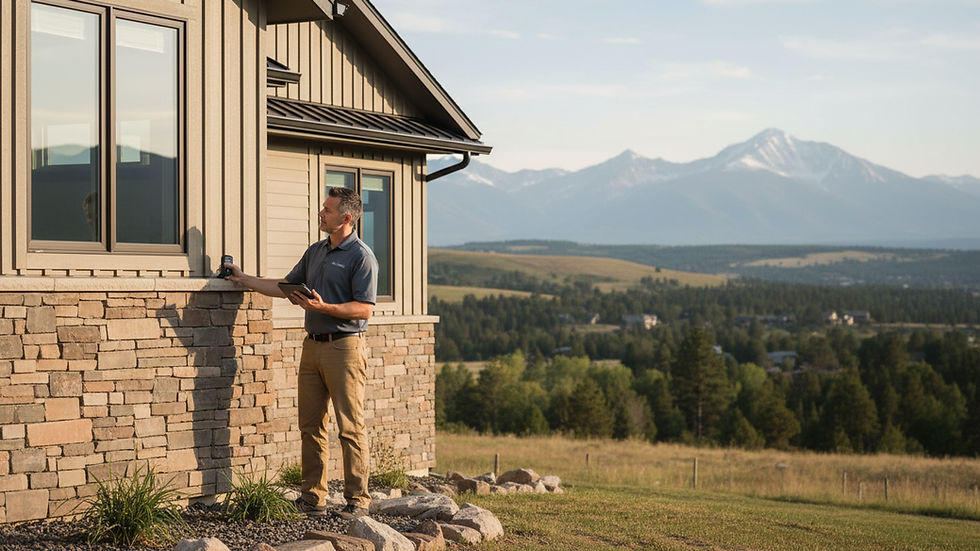
Radon testing device placed in a Colorado Springs home to measure radon levels.
The Importance of Radon Safety Testing in Colorado Springs
Radon safety testing is the only way to know if your home has dangerous radon levels. Many homes in Colorado Springs have radon concentrations above the EPA’s recommended action level of 4 picocuries per liter (pCi/L). Without testing, you have no way of knowing if your family is at risk.
Testing is simple and non-invasive. It involves placing a radon detector in the lowest livable area of your home for a few days to a week. After the test period, the device is sent to a lab for analysis, or a professional tester reads the results on-site.
If high radon levels are found, mitigation systems can be installed to reduce radon concentrations. These systems typically involve venting radon gas from beneath the foundation to the outside, preventing it from entering the home.
For anyone buying or selling a home in Colorado Springs, radon safety testing is a critical step. It protects your investment and ensures the health and safety of future occupants.

Professional installing a radon mitigation system to reduce indoor radon levels.
How Much Does It Cost to Have a House Checked for Radon?
One of the most common questions I hear is about the cost of radon testing. The price can vary depending on the type of test and whether you hire a professional or use a do-it-yourself kit.
DIY Test Kits: These kits are available at hardware stores or online and typically cost between $15 and $30. You place the kit in your home for the recommended time, then send it to a lab for analysis. This option is affordable but may not be as reliable as professional testing.
Professional Testing: Hiring a certified radon tester usually costs between $100 and $200. Professionals use more accurate equipment and can provide detailed reports. They also offer advice on mitigation if high radon levels are detected.
Real Estate Transactions: If you’re buying or selling a home, professional radon testing is often recommended or required. Some inspectors include radon testing as part of a home inspection package.
Considering the health risks, the cost of testing is a small price to pay for peace of mind. If radon levels are high, mitigation systems typically cost between $800 and $1,500, depending on the home’s size and foundation type.

Homeowner preparing a radon test kit for use in their Colorado Springs home.
Steps to Take After Radon Testing
Once you have your radon test results, the next steps depend on the levels detected:
Below 4 pCi/L: No immediate action is needed, but consider retesting every few years or after major renovations.
At or Above 4 pCi/L: It’s time to act. Contact a certified radon mitigation professional to evaluate your home and install a system to reduce radon levels.
Retesting: After mitigation, retest your home to ensure the system is effective.
It’s important to keep records of your radon tests and mitigation efforts. This information can be valuable when selling your home or for future reference.
Why Radon Testing Should Be Part of Your Home Inspection
Radon testing is not just a safety measure; it’s a smart investment. Including radon testing in your home inspection can:
Protect Your Health: Identify and reduce exposure to a dangerous carcinogen.
Increase Property Value: Homes with documented low radon levels or mitigation systems are more attractive to buyers.
Avoid Surprises: Discover radon issues before closing on a home, giving you leverage to negotiate repairs or mitigation.
Comply with Regulations: Some lenders and real estate agents require radon testing during transactions.
If you’re in Colorado Springs, I recommend working with professionals who specialize in radon testing. For reliable and thorough radon testing Colorado Springs residents trust, check out this service.
Staying Safe and Informed About Radon
Radon safety testing is a straightforward way to protect your home and family. It requires minimal effort but offers significant benefits. By understanding radon risks and taking proactive steps, you can ensure your home is a safe place to live.
Remember, radon is a natural part of the environment, but it doesn’t have to be a danger inside your home. Regular testing, especially in areas like Colorado Springs with known radon concerns, is the best defense.
Stay informed, stay safe, and make radon safety testing a regular part of your home maintenance routine.


Comments